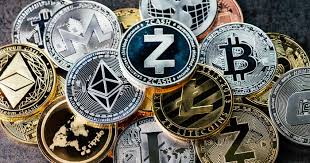
Safe to Buy Bitcoin
Scammers often demand electronic forms of payment like gift cards, money orders and E-Transfers. These transactions are usually easier for them to conceal and trace.
Bitcoin is a virtual currency and payment system that works without banks or central authorities. It’s stored in wallets that are accessed with software or hardware tools. Its value changes constantly, so some people use it as an investment with the hope of making money.
What is Bitcoin?
Bitcoin is a virtual currency that allows people to transfer money directly to each other over the internet. It is one of many different kinds of digital currencies called cryptocurrencies. Bitcoin gained mainstream attention in 2017 when its price soared thousands of dollars over the course of the year. Since then, it has fluctuated dramatically. Some say that it is a bubble while others believe that it is the future of currency.
Bitcoin operates on a decentralized computer network that uses blockchain technology to manage and track the currency’s transactions. This system allows the currency to function without a central authority or bank, which is appealing to some users. This decentralized network also allows users to move money around the world quickly and cheaply.
In addition, Bitcoin is secure and private. When you make a payment with Bitcoin, the transaction is irreversible and there is no need to provide any personal information to the merchant. This is a big difference from conventional online payments and credit cards, which can often be reversed months after the original transaction. In addition, cryptocurrency transactions are encrypted and therefore much less prone to fraud than traditional credit card transactions.
As a result, many people consider Bitcoin to be more trustworthy than other forms of electronic payment. Some even believe that the currency can become a global medium of exchange that can replace national currencies like the Australian dollar. While these claims are speculative, it is true that Bitcoin and other cryptocurrencies offer significant advantages over conventional fiat currencies.
The most well-known example of a cryptocurrency is Bitcoin, which was launched in 2009 by an unknown developer or group of developers under the name Satoshi Nakamoto. Bitcoin is unique among other cryptocurrencies because it is the first to use blockchain technology to create a new kind of money and payment system. Its popularity has led to the creation of other cryptocurrencies, which are similar in that they use a distributed immutable record to verify and process transactions. However, Bitcoin is still the most popular and widely used cryptocurrency in the world.
How to buy Bitcoin
There are a number of ways to buy Bitcoin and other cryptocurrencies. Some of the most popular methods include using centralized cryptocurrency exchanges, certain traditional brokers and crypto-linked money transfer apps. However, many people still find the process of buying cryptocurrency unfamiliar.

One of the most popular ways to purchase Bitcoin is through a mobile app called Coinbase. Using this method, users can select the amount of Bitcoin they want to purchase and then choose a payment method (such as a credit or debit card). Once the purchase is complete, the purchased Bitcoin will be delivered to the user’s digital wallet within minutes.
Other mobile apps that allow users to How to buy bitcoin include Gemini, Bitpanda and Localbitcoins. However, these services generally require more verification steps and may have higher fees than Coinbase. Additionally, some of these services have limits on how much a person can purchase per day.
Is it Safe to Buy Bitcoin on Mobile Apps?
If you’re looking for a more secure way to purchase Bitcoin, consider downloading the Exodus wallet. This wallet offers a fully-featured, free iOS and Android app that allows users to securely buy and sell crypto with their mobile phone, tablet or computer. The wallet also provides self-custody, meaning that users control their own private keys and are not dependent on third parties for storage.
Once you have your Bitcoin, it’s important to know where to store it. There are a few different types of digital wallets that can be used to store Bitcoin, including hot and cold wallets. A hot wallet is a secure, online destination where you can easily access your Bitcoin, while a cold wallet is a more secure offline location that allows you to access your Bitcoin without an internet connection.
Once you have your wallet set up, it’s time to start investing in Bitcoin! As the world’s first and most prominent cryptocurrency, Bitcoin has a number of benefits that make it an attractive investment. However, before you invest, it’s important to understand the risks and rewards involved.
Where to buy Bitcoin
Buy Bitcoin with your credit or debit card in the app and see it delivered to your wallet instantly. Get started with a small amount and choose the rate you want to pay. You can also store your Bitcoin safely and securely with BitPay’s self-custody wallet, free of hidden fees or third-party custody.
There are a number of places to purchase Bitcoin and other cryptocurrencies. The biggest and most popular are cryptocurrency exchanges, which have a user experience that feels very much like a traditional stock broker or online bank. Other options include dedicated cryptocurrency ATMs, certain mainstream money transfer apps and exchange-traded funds (ETFs), which allow investors to gain exposure to crypto without owning physical assets.
Each of these methods has its own pros and cons, so it’s important to research them thoroughly before making a decision. For example, some cryptocurrency exchanges charge a percentage of the transaction amount as a fee. Others have been accused of fraud and shady practices in the past. So, it’s important to find one that has a good reputation and is regulated in your country.
Once you have purchased your Bitcoin, it’s time to find a place to store it. There are many different types of cryptocurrency wallets, with some being more secure than others. Some wallets are backed by banks, while others are decentralized and not controlled by any central authority. Some are even accessible via the web, allowing you to access your crypto from any computer or mobile device.
Among the most popular bitcoin wallets are the Coinbase and Mycelium wallets. The former offers a streamlined user experience, while the latter has an intuitive interface and supports a wide range of cryptocurrencies. However, both wallets support fewer kinds of crypto than others on this list, including ether and ERC-20 tokens like tether USD and binance USD. Regardless of the wallet you choose, it’s important to remember that you are responsible for the security of your private keys. So, make sure to keep them safe and never share your wallet address with anyone, for any reason.
How to store Bitcoin
Bitcoin transactions are securely recorded, stored, validated, and encrypted on a public ledger called the blockchain. The blockchain is immutable, meaning once a transaction has been recorded on it, no one can change or alter that information without the consent of the original owner. While stealing cryptocurrency is still possible, hacking the blockchain itself is extremely difficult given current technology and would require centuries if not millennia to brute force hack. However, the weak link between the blockchain and the user lies with the wallet software (hot) or hardware device that stores your keys (cold).
Hot wallets are software-based wallets connected to the internet and are convenient for frequent transactions. However, they are also more susceptible to online attacks. Cold wallets, on the other hand, are hardware devices that store your Bitcoin offline, making them more secure but less convenient for everyday use. Popular cold wallet options include Ledger and Trezor.
Buying Bitcoin may seem intimidating at first, but the process is relatively simple once you understand the steps. By choosing a reputable exchange, setting up a secure account, making your purchase, and storing your Bitcoin safely, you can start investing in this revolutionary digital currency with confidence. Always stay informed about the risks involved and consider consulting a financial advisor if you’re uncertain about your investment.
There are a large number of cryptocurrency wallet apps available for mobile devices. Many of these are light wallets that don’t download the full blockchain to your device but may scan it to calculate your balance. Others are custodial wallets where a trusted third party holds your keys, such as an exchange or web wallet. It’s best to only keep what you plan to use in your hot wallet and then move it back to cold storage as soon as possible.
When purchasing Bitcoin, it’s essential to understand the fees involved, as these can impact the overall cost of your investment. Most exchanges charge transaction fees for buying and selling Bitcoin, and these can vary depending on the platform and payment method used. For example, credit and debit card payments often come with higher fees compared to bank transfers. Additionally, some platforms may charge a spread, which is the difference between the buying and selling price of Bitcoin.
Mining fees are another cost to consider when transferring Bitcoin from one wallet to another. These fees compensate miners for processing transactions on the blockchain. While mining fees are usually minimal, they can increase during periods of high network activity. It’s a good idea to check fee structures on your chosen platform and plan transactions accordingly to minimize costs.
Two-factor authentication (2FA) is highly recommended for any digital wallet where you store significant amounts of money. This adds another layer of security that requires you to enter a code in addition to your username and password before logging in. Ideally, you’d use an authenticator app, such as Google Authenticator or FreeOTP, because these are invulnerable to SIM swap attacks and email hacks.