
notice periods suspended during strikes
The question of whether notice periods are suspended during strikes often arises among employees, especially those in government or unionized sectors. Strikes represent a form of collective action where employees deliberately stop work to protest workplace conditions, pay disputes, or policy decisions. During such periods, many workers wonder how their contractual obligations, including notice periods, are affected. A notice period is typically a duration of time an employee is required to give an employer before leaving a job or vice versa. The complexity arises when industrial action intersects with these legal and contractual obligations.
It is important to understand that strikes are governed by labor laws and the terms of employment contracts. In general, notice periods are not automatically suspended simply because employees participate in a strike. The contractual obligation to provide notice remains in effect unless explicitly stated otherwise in employment agreements or regulated by specific labor laws. For instance, in certain government positions, the Federal employee notice period may have specific provisions that account for extraordinary circumstances, including strikes or labor disputes. Employees should review these clauses carefully to understand their responsibilities and rights during such events.
The nature of the strike also affects how notice periods are treated. If a strike is legally sanctioned and conducted following all procedural requirements, employees may have some protection against punitive actions. However, this does not inherently mean the notice period is put on hold. Employers may still expect employees to comply with notice obligations, and failure to do so could result in deductions from final pay or other contractual consequences. On the other hand, some unions negotiate agreements where notice periods are effectively adjusted to accommodate periods of industrial action, ensuring that neither party faces undue disadvantage.
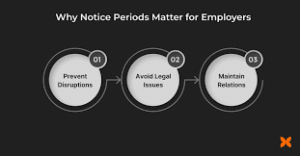
Are notice periods suspended during strikes?
Another factor to consider is the difference between paid and unpaid strikes. If an employee participates in a strike without pay, the employer may still expect the contractual notice period to be honored, as the period is considered part of the employment agreement rather than contingent on remuneration. This is particularly relevant for federal positions where the Federal employee notice period can be explicitly defined, and deviations from standard practice may require formal approval or negotiation. Employees should communicate with HR departments or union representatives to clarify the status of their notice obligations during a strike.
Furthermore, labor courts and employment tribunals have occasionally ruled on cases involving notice periods during strikes. In many instances, courts have maintained that while striking is a protected activity under labor laws, it does not absolve employees from fulfilling contractual duties unless explicitly waived or amended. Employees and employers alike are advised to maintain clear documentation and agreements regarding notice periods during industrial actions to prevent disputes. Legal counsel or union guidance can be crucial in navigating these situations effectively.
In conclusion, notice periods are generally not suspended during strikes unless specific provisions in employment contracts or labor laws apply. Employees should understand that participating in a strike does not automatically relieve them from their contractual obligations, including the Federal employee notice period in government roles. Clear communication, understanding of contractual terms, and consultation with relevant authorities or unions are key to ensuring that both employees and employers handle notice obligations appropriately during periods of industrial action. Awareness of these details helps prevent conflicts and ensures a smoother transition for all parties involved.
