economic indicators are most important for forex fundamental analysis
Forex and CFD traders are always on the lookout for economic indicators with a high impact on market prices. Such indicators include GDP, interest rates, inflation and employment figures. Consumer price indexes indicate the cost of living and can lead to monetary policy changes from central banks. Trade balances reveal the difference between imports and exports, which can also affect currencies. Economic indicators offer traders statistical information about a country’s economy. By monitoring these indicators you can understand a country’s strength and make financial forecasts.
Inflation is one of the most important economic indicators because it shows a country’s overall price level. If a country’s prices are rising, this could lead to higher consumer spending, which would in turn strengthen the currency. Traders can also use inflation to predict future trends. For example, if a trader expects that the consumer price index will rise, they can sell stocks that are priced below the average and buy more stock when the CPI comes in higher.
Gross domestic product (GDP) is another important indicator because it shows how big a country’s economy is and how fast it is growing. However, GDP figures are a lagging indicator, so most traders focus on the advance and preliminary reports before the final figure is reported. Any significant differences between the actual and expected data can cause volatility in the market.
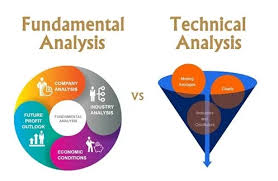
What economic indicators are most important for forex fundamental analysis?
There are a number of economic indicators that influence interest rates, including GDP and inflation. In addition, traders also watch a variety of privately issued reports like the Purchasing Managers Index (PMI), Producer Price Index (PPI), durable goods report and housing starts. Leading economic indicators provide a snapshot of current economic health, and can help predict future trends. For example, if manufacturing statistics improve, this can lead to an increase in GDP figures.
Lagging economic indicators provide a retrospective look at an economy’s performance and can be helpful in confirming or providing support for a trend. For example, a high unemployment rate may be indicative of economic weakness.
Keeping an eye on these important economic indicators is key to forex fundamental analysis. Many of these reports are released weekly, monthly or quarterly, so it’s important to have a forex calendar that keeps you up to date on the release dates. Traders should also pay attention to weekly initial jobless claims data, which can have an impact on the all-important monthly employment report.
Traders pay close attention to GDP as a measure of the total amount of goods and services produced within an economy during a given period. This figure is often used to gauge a country’s overall economic health, and higher numbers indicate growth which can boost the value of the national currency.
GDP figures can also impact the market by informing traders of the likelihood that central banks will increase interest rates, attracting investment and boosting currency values. This is why it’s crucial to keep an eye on a Forex calendar, which lists the releases of important economic indicators and their expected impacts on prices.
Some economic indicators change before the economy itself does, indicating potential future trends; these are known as leading indicators, while others confirm current trends and are referred to as lagging indicators. Understanding the difference between these indicators is vital for forex fundamental analysis. Keeping an eye on these indicators is essential for identifying opportunities in the markets.
The economic data that has the biggest impact on currencies is employment statistics. This is because central banks have a mandate to promote high employment levels, so if job figures come in below expectations the currency may drop.
The unemployment rate gives insight into a country’s labor market and is closely monitored by forex traders as part of their fundamental analysis. A low unemployment rate usually indicates a healthy economy and can lead to a stronger currency, while a high unemployment rate can indicate an economic slowdown and weaken the currency.
In addition to employment, traders also watch the gross domestic product (GDP) and inflation data. GDP is the broadest economic measure and takes so long to compile that its direct effect on prices can be muted – but it does give an indication of where we are in an economic cycle and can help confirm expectations of future performance. Inflation data is a little more timely, but it still has the potential to move markets.