Taxes apply to Barbados properties for sale
When people begin to explore the Caribbean property market, Barbados often comes to mind because of its stable economy, welcoming culture, and high standard of living. Buyers from abroad frequently ask, “What taxes apply to Barbados properties for sale?” Understanding the tax system is a key part of planning any purchase. Knowing the costs that come with ownership, from the initial transaction to ongoing obligations, helps buyers avoid surprises and budget accurately. Barbados has a clear framework for real estate taxation that applies to both locals and foreign investors, and being familiar with it is essential for a smooth and secure investment.
The first tax most buyers encounter is stamp duty. This is a government levy charged on property transfers, paid by the seller in Barbados but sometimes factored into the negotiation. Stamp duty is assessed on a sliding scale according to the value of the property. Although the rates can change periodically, they are typically set as a percentage of the sale price, and the amount owed is calculated and collected at closing by the attorney handling the transaction. Because this cost is borne by the seller, buyers do not usually pay it directly, but it still influences pricing and negotiations for Barbados properties for sale. It is always wise to confirm the current rate with your attorney or agent before signing an agreement.
Another cost is the property transfer tax. In Barbados, this is also paid by the seller and is calculated as a percentage of the property’s value above a certain threshold. As with stamp duty, the percentage may change from time to time, so up-to-date advice from a qualified lawyer is essential. For buyers, the benefit is that the main transactional taxes are typically built into the asking price, which means the price you negotiate is generally the price you pay. Still, understanding how these taxes are applied to barbados properties for sale allows you to see how much room there may be for negotiation and what net proceeds a seller expects.
Once the purchase is complete, the new owner becomes responsible for annual property taxes. These are assessed by the Barbados Revenue Authority and based on the site value of the land. Rates vary depending on whether the property is residential, commercial, or undeveloped. For residential properties, there is a threshold below which no tax is payable, which benefits owners of lower-value homes. Above that threshold, a modest percentage applies, making Barbados property taxes relatively low by international standards. For buyers looking at Barbados properties for sale, this low annual tax burden can make ownership more affordable and predictable in the long term.
Land tax in Barbados is billed once a year, typically in the latter part of the calendar year, and discounts are often offered for early payment. Foreign owners pay the same rates as citizens, which creates a level playing field. This policy is one reason why the island remains attractive to overseas investors. Even for higher-value homes, the land tax usually represents only a small fraction of the property’s market value, making it easier to budget for. When evaluating listings for Barbados properties for sale, it is a good idea to ask the agent or current owner for the most recent land tax bill to understand what you will owe after closing.
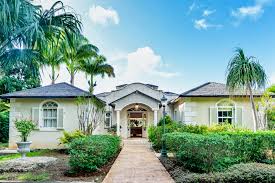
What taxes apply to Barbados properties for sale?
Another consideration is the tax on rental income. Many buyers purchase homes in Barbados with the intention of renting them out when not in use. In this case, any income earned from rentals is taxable. The rate depends on whether the owner is resident or non-resident for tax purposes, and whether the property is rented long-term or short-term to tourists. Non-resident owners are usually subject to withholding tax on gross rental income, which is remitted to the Barbados Revenue Authority. However, deductions may be available for certain expenses, and double-taxation treaties with some countries can reduce the effective rate. Prospective investors in Barbados properties for sale who plan to generate income should consult an accountant familiar with local and international tax rules to ensure compliance.
It is also important to be aware of value-added tax (VAT) on certain property transactions. While VAT does not generally apply to the sale of existing residential properties, it can apply to the purchase of new construction from developers, to some commercial properties, and to certain services related to property management. The standard VAT rate in Barbados is set by the government and may change over time. Buyers should clarify with their lawyer or agent whether VAT will be charged on their specific purchase or on any associated services so they can include it in their budget.
Inheritance and capital gains taxes are another area where Barbados is appealing. The country does not levy capital gains tax on the sale of property, which means that when you eventually sell your investment, the profit you make is not taxed locally. There is also no inheritance tax, so passing the property to heirs can be more straightforward than in many other jurisdictions. This favorable treatment enhances the long-term attractiveness of Barbados properties for sale as a wealth-building tool and a legacy asset.
Finally, legal fees and registration costs, while not taxes per se, are part of the transactional expenses every buyer should expect. Attorneys typically charge a percentage of the purchase price or a flat fee for conveyancing. There may also be small government charges for registering deeds and obtaining official searches. These costs are generally modest compared to the property’s value but should still be factored into your financial plan.
In summary, when you ask “What taxes apply to Barbados properties for sale?” the main items to consider are stamp duty and transfer tax (usually paid by the seller), annual land tax (paid by the owner), rental income tax if you lease the property, and VAT in limited circumstances. With no capital gains or inheritance taxes, the island offers a transparent and relatively light tax burden compared to many countries. By working with experienced local attorneys, accountants, and real estate agents, you can ensure that you understand and meet all obligations, making your purchase in Barbados both secure and financially sound.